In-Frame vs Out-of-Frame Overhaul: Which Does Your Truck Need?

Short answer: in an in-frame overhaul the engine stays in the truck and the worn parts in the lower end, usually pistons, liners, rings and bearings, are rebuilt. In an out-of-frame overhaul the engine comes out so more of it can be inspected and rebuilt. Which one makes sense depends on what is worn, how badly, and what you plan to do with the truck.

Signs your engine may need an overhaul

  • Oil consumption that keeps climbing
  • Heavy blow-by from the crankcase breather
  • Loss of power, especially under load
  • Hard starting
  • Oil in the coolant or coolant in the oil
  • Knocking or new noises from inside the engine

One of these alone does not always mean an overhaul. A bad injector, a turbo problem or a sensor fault can look like a worn engine. That is why the first step is always diagnosis, and our truck diagnostics work is where that starts.

In-frame overhaul

The engine stays in the chassis. The oil pan and cylinder head come off so the pistons, liners, rings and bearings can be replaced. Because the engine doesn’t come out, an in-frame job usually costs less and takes less time. It is a good fit when the wear is in the lower end and the rest of the engine is in decent shape.

Out-of-frame overhaul

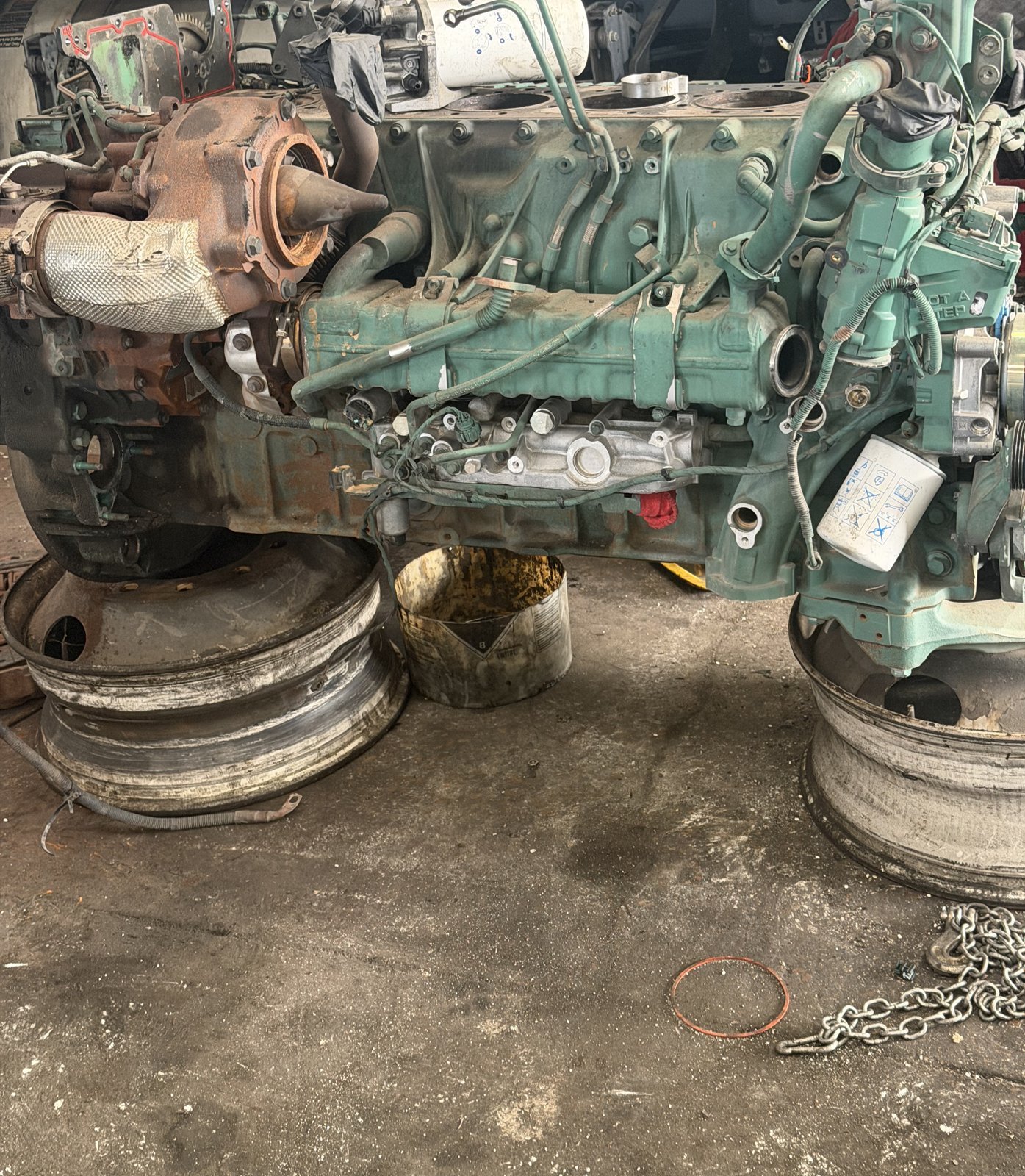
The engine comes out of the truck so it can be torn down further, inspected and rebuilt. This gives a fuller look at parts that are hard to reach with the engine in the frame. It takes longer and usually costs more, but it can make sense when there is wider damage or when you plan to keep the truck for many more miles.

How to decide

  • What is actually worn. Diagnosis tells you whether the problem is in the lower end or spread further.
  • How long you will keep the truck. A truck you plan to run for years may justify a deeper rebuild.
  • Downtime. An in-frame job usually gets the truck back sooner.
  • Budget. You should know the cost of each option before you decide.

Prevent it where you can

Regular oil changes, keeping the cooling system healthy and dealing with warning signs early all help an engine last longer. Our preventive maintenance service is built around catching those problems early.

Talk to us first

Our diesel engine overhaul service covers in-frame and out-of-frame overhauls for semi trucks. We diagnose the engine, explain your options and give you the price of each before we start. Call +1 (214) 400-4228 or stop by 4700 Irving Blvd #200, Dallas, TX 75247, Monday to Saturday, 8 AM to 6 PM.
Exhaust Smell in the Truck Cab: What It Means and What to Do

Short answer: if you can smell exhaust inside a truck cab, there is almost always a leak somewhere between the engine and the stack, or a gap that lets fumes into the cab. It is not something to drive around with. Exhaust gas in the cab is a health risk for the driver, so get it checked as soon as you can.

Common causes of exhaust in the cab

  • Leaking joints or gaskets. A joint that has worked loose or a failed gasket lets exhaust out before it reaches the stack.
  • Cracked pipes or flex sections. Heat and vibration crack pipes and wear out flex sections over time.
  • Broken clamps or hangers. When a clamp or bracket fails, the pipe moves around, joints open up and the system starts to rattle.
  • Damaged stack or tailpipe. If exhaust exits in the wrong place, it can get pulled back toward the cab.
  • Gaps in the cab seals. Worn door or floor seals make it easier for any fumes nearby to get inside.

Signs to watch for

  • A smell of exhaust in the cab, especially at idle or in traffic
  • The engine sounding louder than usual
  • A ticking or puffing sound under load
  • Black soot marks around a joint or clamp
  • A rattle under the truck that wasn’t there before
  • Headaches or drowsiness while driving. Pull over and get fresh air if you notice this.

Exhaust leaks and the aftertreatment system

On modern trucks, a leak ahead of the aftertreatment can throw off sensor readings and cause problems with the DPF and SCR. If you are seeing DEF or DPF warning lights along with an exhaust smell, mention both when you call. Aftertreatment faults are handled through our DEF system repair work.

Will it fail an inspection?

An exhaust leak can be written up during an inspection, especially if it is near the cab or a fuel line. If you have already been written up, our DOT violation repairs page explains how we handle it.

What we do

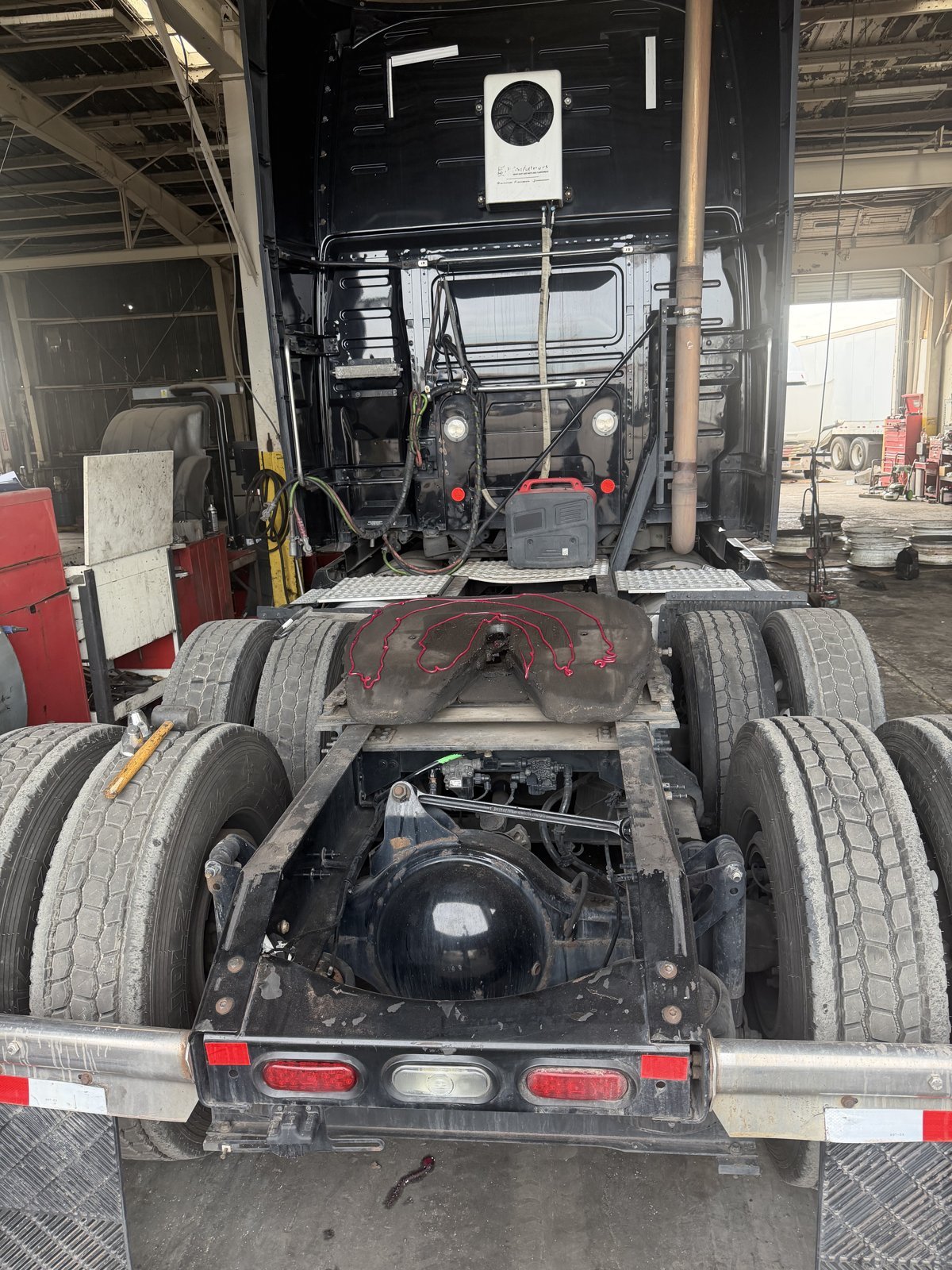
We inspect the exhaust from the engine back to the stack or tailpipe, find the actual leak or loose part and show it to you. Then you get the price before any work starts. Our truck exhaust repair covers leaks, cracked pipes, flex sections, clamps, brackets and mufflers.

Call +1 (214) 400-4228 or bring the truck to 4700 Irving Blvd #200, Dallas, TX 75247, Monday to Saturday, 8 AM to 6 PM.
Why Is My Semi Truck AC Blowing Warm Air?

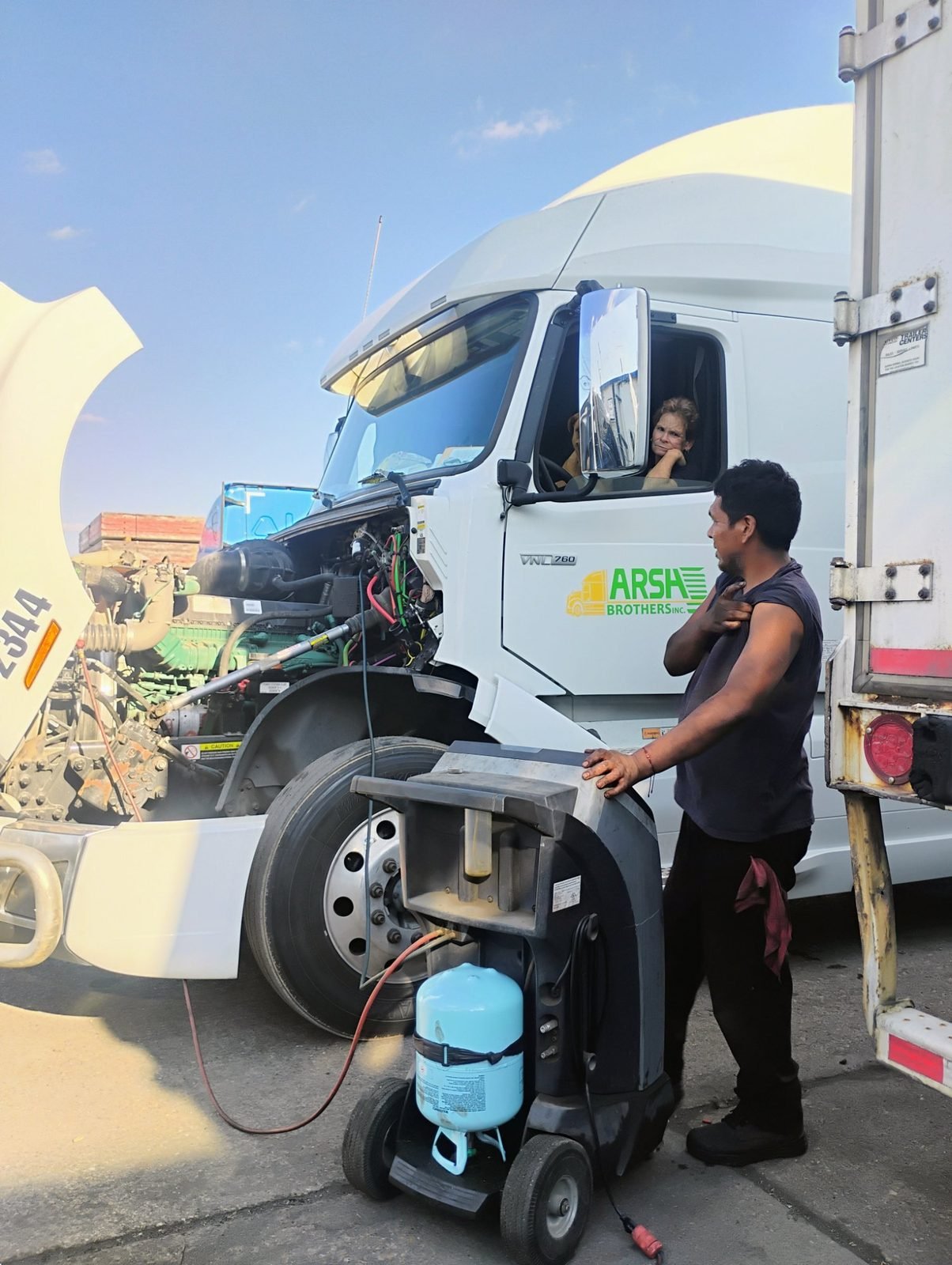
Short answer: when a semi truck AC blows warm, the most common causes are low refrigerant from a leak, a compressor that isn’t engaging, a blocked condenser, a weak blower or an electrical fault in the AC circuit. Adding refrigerant might get you cold air for a few days, but if there’s a leak, the warm air comes back.

The usual suspects

Most warm-air complaints we see in our Dallas shop come down to one of these:

  • Refrigerant leak. Hoses, fittings, O-rings and condensers take a beating from vibration and heat. A slow leak shows up as AC that gets a little weaker every week.
  • Compressor not engaging. If the clutch doesn’t kick in, nothing gets cooled. That can be the clutch, the compressor itself, low pressure shutting it off, or a wiring problem.
  • Blocked condenser. Bugs, dirt and road debris packed into the condenser stop it from shedding heat, so the system can’t cool properly, especially sitting in traffic.
  • Blower or controls. If the air is cold but barely moving, it’s often the blower motor, a resistor or the controls rather than the AC system.
  • Electrical faults. A bad relay, fuse, pressure switch or connector can shut the whole system down even when everything else is fine.

What you can check before you call

  • Is the air cold but weak, or moving fine but warm? That tells us a lot.
  • Do you hear the compressor click on when you turn the AC on?
  • Is there oily residue around the AC lines or fittings? That’s often where the leak is.
  • Is the condenser in front of the radiator caked with dirt or bugs?
  • Does it cool on the highway but not at idle? That often points to airflow or the condenser.

Write down what you notice. It helps us find the problem faster and saves you money on diagnosis.

Why a recharge alone usually doesn’t fix it

Refrigerant doesn’t get used up. If the system is low, it leaked out somewhere. Topping it off without finding that leak means you’re paying for the same charge again in a few weeks. That’s why we check for leaks before we charge the system, and why we show you what we found.

Don’t forget the sleeper

Sleeper cab AC has its own blower and controls on many trucks. If the cab is cold but the bunk isn’t, the problem may be in the sleeper unit, not the main system. Tell us which side is acting up when you call.

When to bring it in

If the AC is getting weaker, cycling on and off, making a new noise, or not working at all, get it looked at before the next hot stretch. In a Dallas summer a dead AC quickly turns into a driver who can’t rest. Our semi truck AC repair service covers leak checks, recharge, compressor work and sleeper AC. If the problem looks electrical, our electrical repair team traces the circuit.

Call +1 (214) 400-4228 or bring the truck to 4700 Irving Blvd #200, Dallas, TX 75247, Monday to Saturday, 8 AM to 6 PM. We’ll tell you what’s wrong and what it costs before we start.
Broken Down in Dallas? What We Fix Roadside

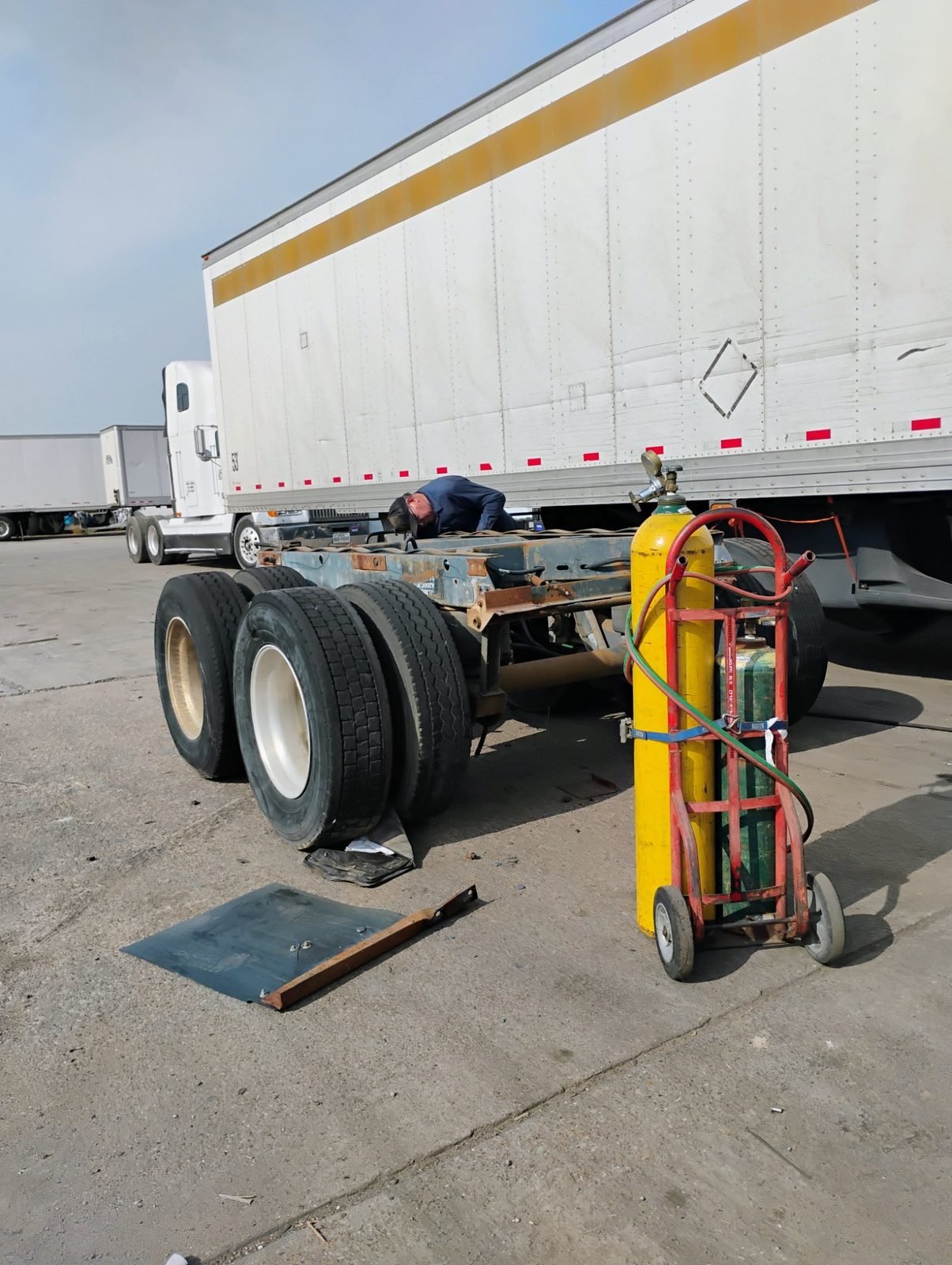
Short answer: if your truck or trailer stops somewhere around Dallas–Fort Worth, many common failures can be fixed right where it is parked. That includes a flat or blown tire, an air leak, a dead battery, a bad starter or alternator, and a trailer light that will not stay on. Jobs that need the bay go to our shop at 4700 Irving Blvd #200. We tell you on the phone whether it can likely be fixed where you are or needs to come to our shop, before anyone drives out.

2011Repairing trucks and trailers since
Mon–Sat8 AM to 6 PM
On siteTires, air lines, lights, electrical and starting
Shop towing if neededRepair first, tow to our shop if needed

What can be fixed on the roadside?

These are the repairs we handle most often at the side of the road, for both tractors and trailers:

  • Tires and wheel ends. Roadside tire repair and replacement, plus wheel-end and hub work.
  • Air brakes and air lines. Air leaks, gladhands, air lines and air brake repairs where the unit is parked.
  • Electrical and starting. Jump-starts, alternator and starter replacement, trailer lights and 7-way plug repair.
  • Engine, fuel and more. Mobile diagnostics, DEF, DPF and SCR troubleshooting, fuel priming, and cooling and belts.

If it is on this list there is a good chance we can fix it where you are. The only way to know for sure is to describe the problem, so call and tell us what the unit is doing.

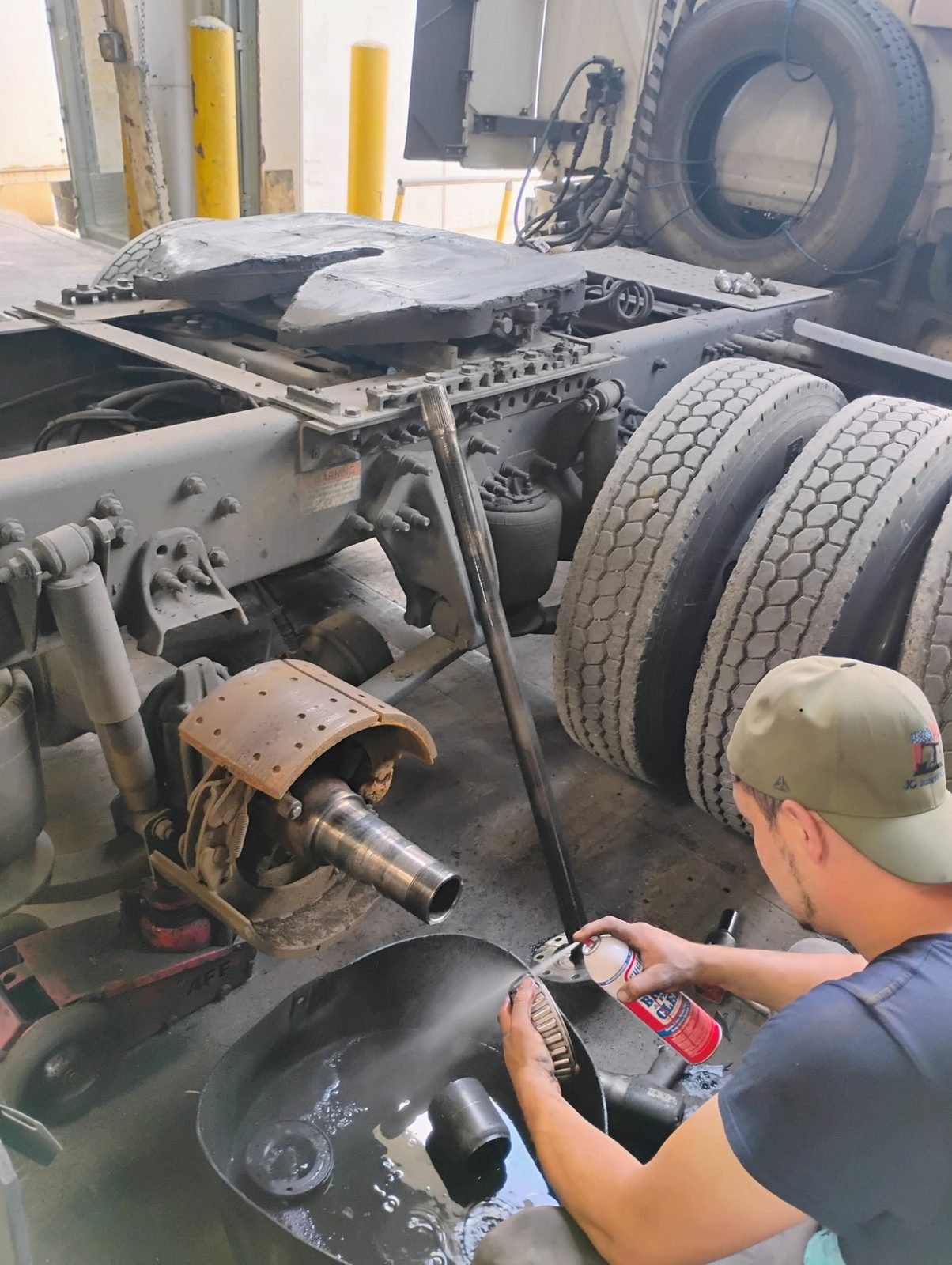
Mechanic cleaning a tapered wheel bearing during axle service at Bawa’s in Dallas
Wheel bearing service at our shop in Dallas.

When does it need the shop instead?

Not every breakdown is a roadside job. Some repairs need the bay, and when yours does we will say so on the phone. If the unit cannot be fixed where it is, we can tow it to our shop and repair it there. We do not offer towing to other shops or locations. If you would rather use a different shop, we can still help with towing prep, such as pulling axle shafts.

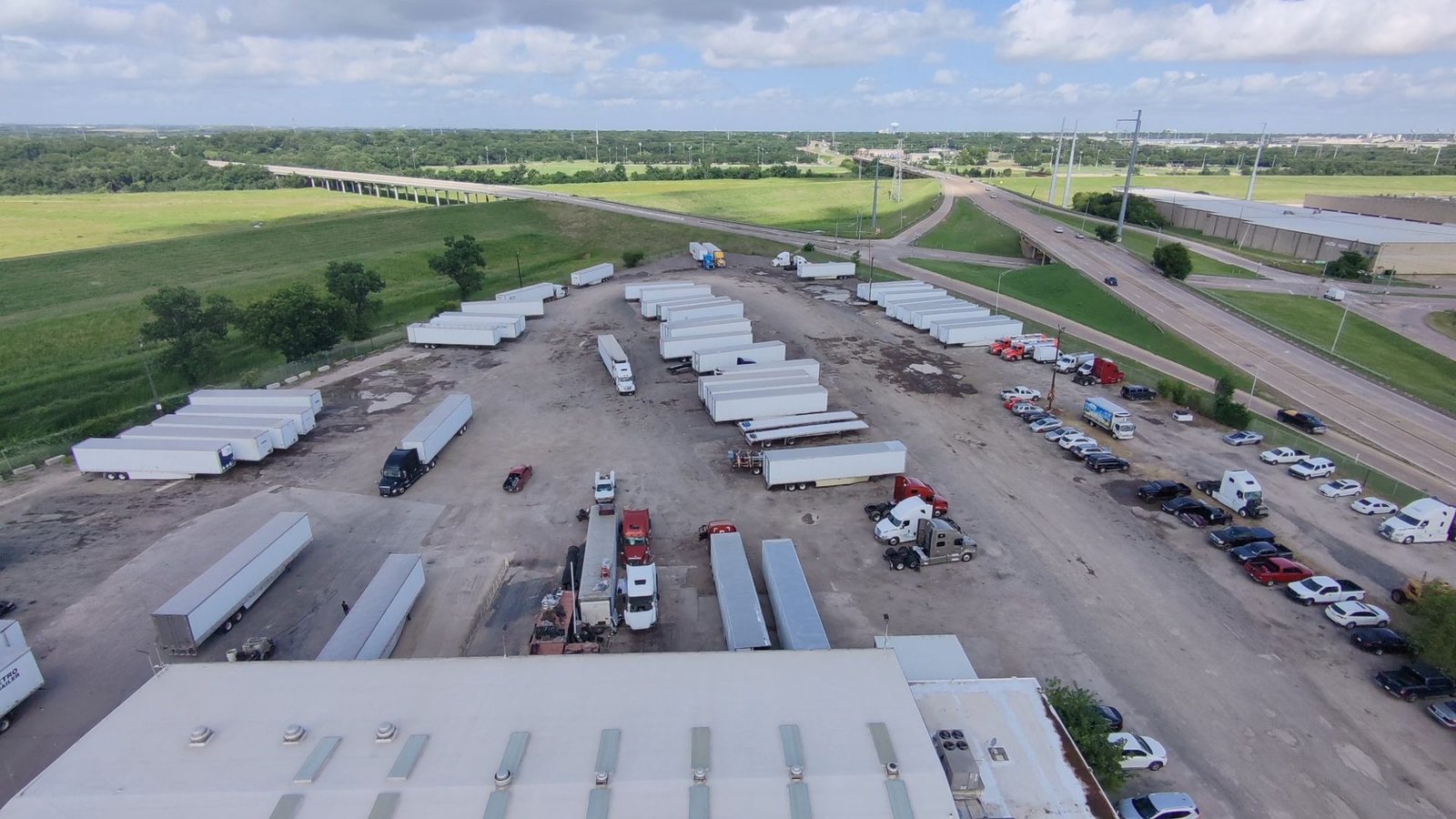
Aerial view of Bawa’s Truck & Trailer Repair shop and yard at 4700 Irving Blvd, Dallas, TX
Our shop and yard at 4700 Irving Blvd #200, Dallas.
What happenedRoadside or shop?
Flat or blown tireOften roadside. Tell us the tire size.
Air leak, gladhand or air line problemOften roadside.
Dead battery, bad starter or alternatorOften roadside.
Trailer lights out or a bad 7-way plugOften roadside.
DEF, DPF or SCR fault, or a warning lightWe start with troubleshooting. Some end up in the shop.
Anything else, or you are not sureCall us. We will tell you honestly.

“Often” is not a promise. Every breakdown is different, which is why we ask questions before we send anyone.

What should you do first when it happens?

  1. If the unit can still move, get it somewhere safe and out of traffic.
  2. Note your exact location, with the nearest exit or cross street.
  3. Note what happened and any warning lights or codes you can see.
  4. Call +1 (214) 400-4228. We are open Monday to Saturday, 8 AM to 6 PM.
What to have ready when you call

  • Your exact location, with the nearest exit or cross street
  • Tractor or trailer, and the tire size if it is a tire problem
  • What happened, plus any warning lights or codes
  • Whether the unit can still move safely
  • A phone number where we can reach you

The more we know up front, the faster we can tell you what is possible.

Where do we work?

We repair on site around the Dallas–Fort Worth Metroplex, including Dallas, Irving, Fort Worth, Arlington, Garland, Mesquite, Grand Prairie, Plano, Carrollton and Lancaster. We go up to 50 miles from our shop, during shop hours: Monday to Saturday, 8 AM to 6 PM.

Questions drivers ask us

Do you tow?

No. We try to repair it on site first. If it cannot be fixed there, we can tow it to our shop for the repair. We do not offer towing to other locations.

My truck will not start. Can you help?

Often, yes. A dead battery, a bad starter or a failed alternator can usually be dealt with where the truck is parked. Tell us what it does when you turn the key.

How much does roadside repair cost?

It depends on the job, so we do not quote a number before we hear what the unit is doing. You get an estimate before the work starts, not a surprise after.

Can I park overnight or hand off a load?

Overnight parking, cross dock and load delivery are available. Call ahead.

What are your hours?

Monday to Saturday, 8 AM to 6 PM. We are closed on Sunday.

Stopped on the road? Call us.

Tell us your location and what the unit is doing. We will say whether we can fix it on the spot.

Call +1 (214) 400-4228

Learn more on our emergency roadside service page, or see how we handle tire problems, truck roadside repair and trailer roadside repair. You can also contact us to send the details.

About this guide: written by the Bawa’s Truck & Trailer Repair crew, who have repaired trucks and trailers at 4700 Irving Blvd #200 in Dallas, TX since 2011. Last updated October 14, 2026. This is general guidance, not a diagnosis. Call +1 (214) 400-4228 and tell us what your unit is doing.

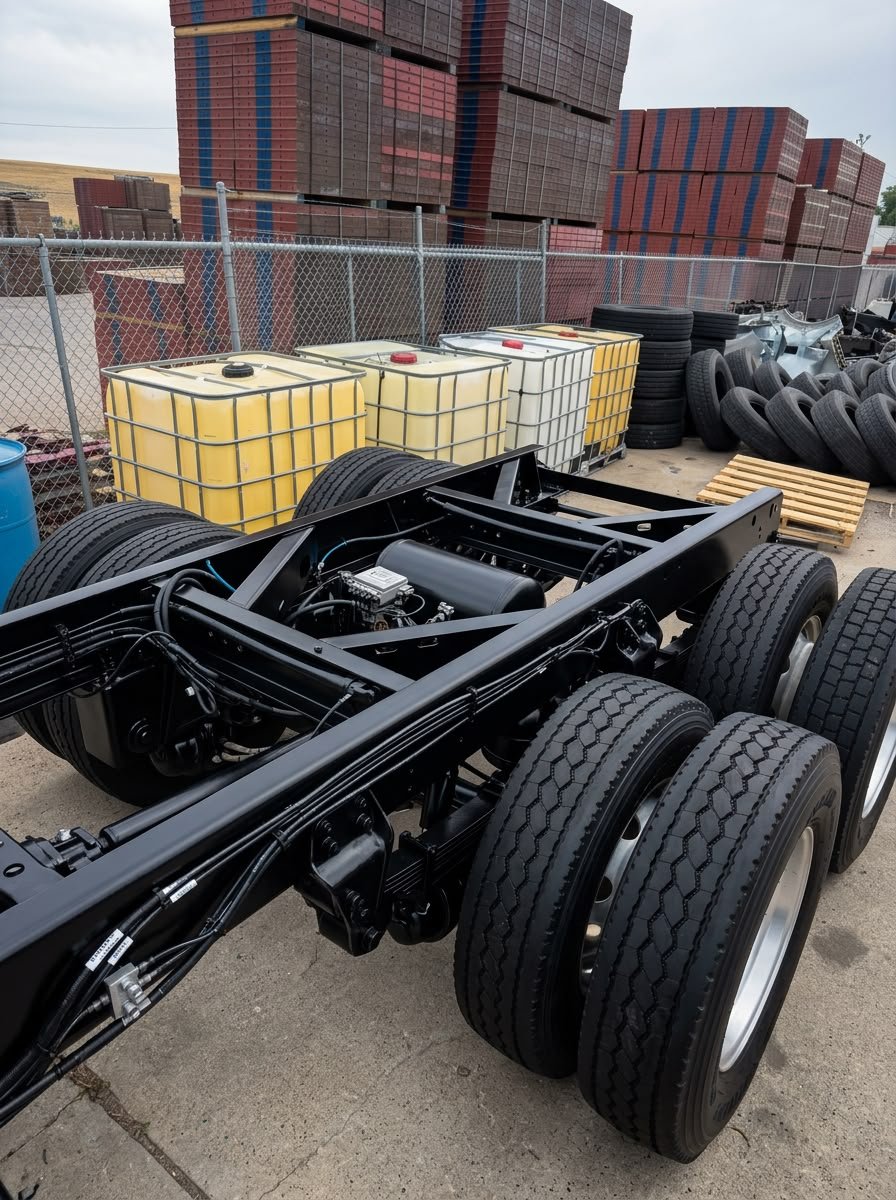
Trailer chassis with dual tires parked in a yard

Have questions or need truck or trailer repair? We’re here to help!

CONTACT INFO:

ADDRESS: 4700 Irving Blvd #200, Dallas, TX 75247, United States

PHONE NUMBER: +1 (214) 400-4228

Mon-Sat 08:00AM-06:00PM

Call us or bring the unit to our shop in Dallas.